


Routines
Dana Kim
30, Apr 2026
748

Dana Kim


Here is the uncomfortable truth: there is no regulated definition of clean beauty. Unlike organic food labels, which are governed by strict certification bodies, the word clean on a beauty product means whatever the brand wants it to mean. One company's clean formulation might still contain ingredients another brand has blacklisted entirely.
Poison ivy is natural. So is arsenic. The assumption that natural ingredients are inherently safer than synthetic ones is one of the most persistent myths in the beauty industry. Many synthetic ingredients are rigorously tested, stable, and effective — while some natural extracts can cause allergic reactions, photosensitivity, or irritation in certain skin types.
The dose makes the poison. Every ingredient — natural or synthetic — can be harmful at the wrong concentration. What matters is formulation, not origin.
Fragrance is a perfect example. Natural fragrance derived from essential oils can be just as irritating to sensitive skin as synthetic fragrance — sometimes more so. Yet products marketed as clean routinely include natural fragrance without flagging it as a potential irritant.
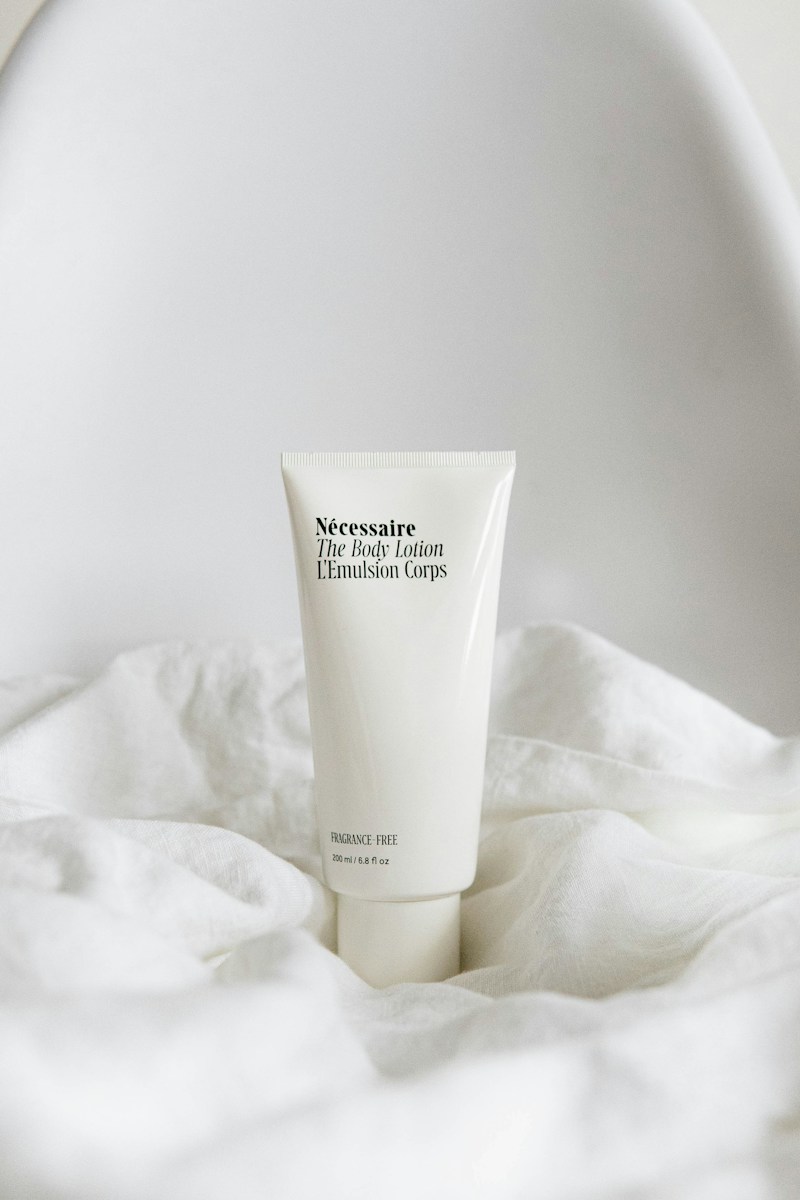
Parabens became the clean beauty movement's primary villain after a 2004 study found traces of them in breast tissue. What that study did not establish — and what headlines failed to mention — was any causal link between parabens and cancer. Major health regulatory bodies including the EU's Scientific Committee on Consumer Safety have reviewed the evidence and concluded that parabens used in cosmetics at approved concentrations are safe.
The irony is that the preservatives replacing parabens in clean formulations are often less well-studied, less stable, and in some cases more irritating to skin. Phenoxyethanol, the most common paraben alternative, has its own set of concerns at high concentrations.
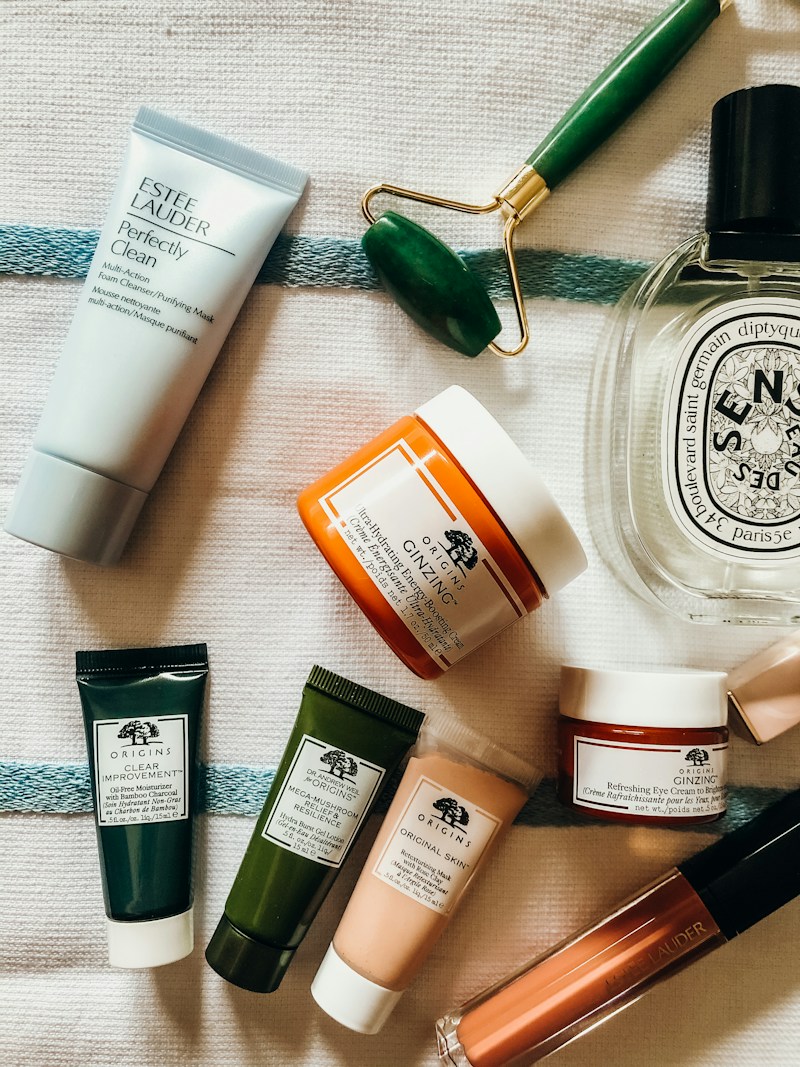
Ingredients are listed in descending order of concentration. The first five to seven ingredients make up the bulk of the formula — everything after the one percent mark (usually where preservatives and fragrance appear) is present in trace amounts. Learning to read this list critically, rather than scanning for clean or free-from claims on the front of the packaging, is the single most empowering thing you can do as a consumer.
Marketing lives on the front of the bottle. The truth lives on the back.

Rather than chasing clean labels, look for products that are fragrance-free if you have sensitive skin, non-comedogenic if you are acne-prone, and dermatologist-tested if you want an added layer of assurance. Cross-reference ingredient lists with databases like INCI Decoder or EWG Skin Deep for independent assessments — and remember that the most effective routine is built on evidence, not aesthetics.
No comments yet. Be the first to share your thoughts!

11 May 26
30 Apr 26

30 Apr 26

30 Apr 26