


Routines
Priya Nair
30, Apr 2026
748

Priya Nair


Most people wash their hair far more often than their scalp actually needs. Daily shampooing strips the scalp of its natural sebum — the oil your hair follicles produce to protect and moisturize each strand from root to tip. Without it, hair becomes brittle, frizzy, and prone to breakage long before it ever reaches the ends.

Trichologists — hair and scalp specialists — generally recommend washing 2 to 3 times per week for most hair types. Those with fine or oily hair may need slightly more frequent washing, while coily and coarse textures often thrive on once-a-week routines. The key is learning what your scalp actually needs rather than following a daily habit out of convenience.
Flat irons, curling wands, and blow dryers are the most common culprits behind chronic hair damage — and the most consistently underestimated. At temperatures above 180°C, the protein bonds within each hair shaft begin to break down permanently. No conditioner, mask, or treatment can reverse that structural damage once it occurs.
Heat damage is cumulative. You may not see the effects after one session — but after six months of daily styling, the difference is undeniable.
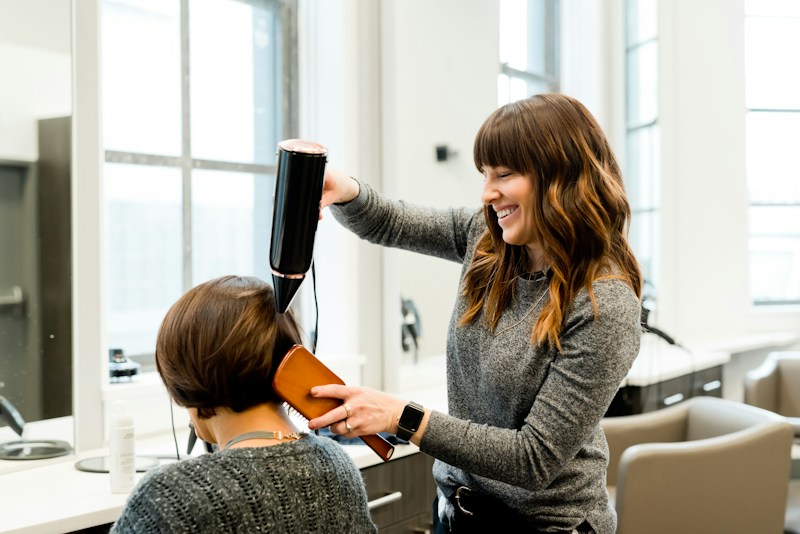
Brushing from root to tip — the way most of us were taught — creates unnecessary tension along the entire length of the hair shaft. The correct technique is to start at the ends, gently detangle, and work your way up in sections. This single change in habit can dramatically reduce breakage, especially for those with longer or textured hair.
The type of brush matters too. Boar bristle brushes distribute natural oils from scalp to ends effectively, while wide-tooth combs are ideal for detangling wet hair when it is at its most vulnerable and elastic state.

Healthy hair requires a balance between protein and moisture. Too much moisture without protein leads to limp, overly soft hair that stretches and snaps. Too much protein without moisture results in stiff, brittle strands that break at the slightest tension. Most people swing too far in one direction without realizing it.
Your hair tells you exactly what it needs — you just have to learn how to listen to it. Elasticity is the most honest indicator of hair health.
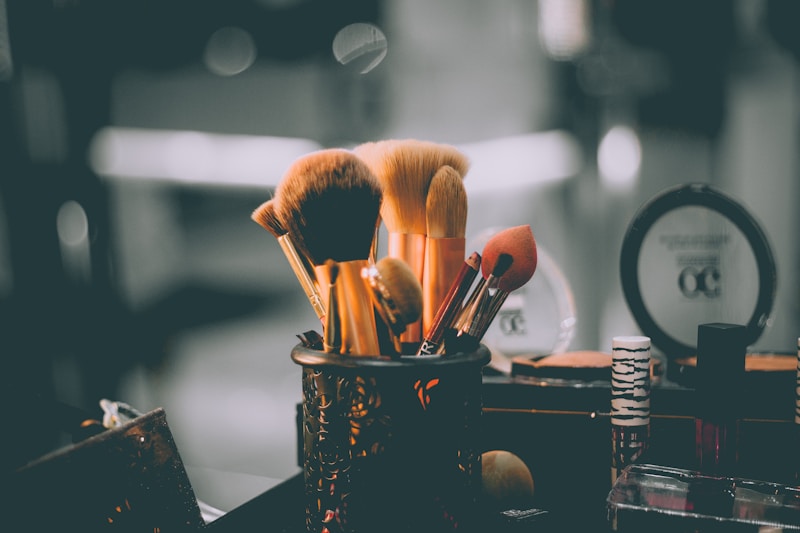
Start by auditing your current products for sulfates, silicones, and alcohols — ingredients that sound familiar but behave very differently on different hair types. Sulfate-free shampoos, leave-in conditioners with amino acids, and weekly deep conditioning treatments form the backbone of a routine that actually supports hair health rather than undermining it. Small, consistent changes compound into dramatic results over three to six months.
No comments yet. Be the first to share your thoughts!

11 May 26

30 Apr 26

30 Apr 26
30 Apr 26